T-Mobile CFO Dismisses Elon Musk’s Starlink Mobile Plans as Uncompetitive
T-Mobile CFO Peter Osvaldik has questioned SpaceX’s plans to use Starlink to compete in the mobile industry, pointing to limitations of satellite connectivity and the infrastructure required for broader coverage.
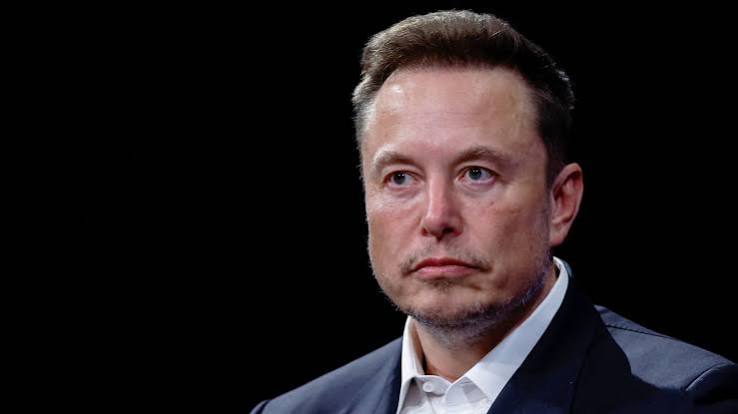
Elon Musk’s SpaceX is looking to expand Starlink beyond satellite internet and into the mobile communications market, but T-Mobile CFO Peter Osvaldik has questioned whether the strategy can seriously challenge traditional wireless operators.
Speaking at Citi’s 2026 Global TMT Conference, Osvaldik said T-Mobile does not view Starlink Mobile as a competitive threat to the wireless industry. He also criticised the number of strategic changes SpaceX has made while developing its approach to mobile connectivity.
"If we, as a management team, over the course of two months, changed the strategy to how we're going to roll out a wireless network like a dozen times, it would laugh us out of the room," Osvaldik said.
SpaceX wants Starlink to enter mobile
SpaceX has been developing Starlink Mobile as a way to provide cellular connectivity using its satellite network. The company has argued that the technology could help address mobile dead zones, particularly in remote areas where building conventional cellular infrastructure is difficult.
Starlink currently has about 650 direct-to-cell satellites in orbit, alongside a much larger broadband constellation of more than 10,000 satellites, according to reports.
SpaceX President Gwynne Shotwell has said the company expects Starlink Mobile to compete for customers currently served by major telecom operators, with improved coverage in locations where traditional networks have limitations.
T-Mobile points to satellite connectivity limits
Osvaldik's criticism centres on the technical limitations of direct-to-cell satellite connectivity.
Starlink's direct-to-cell satellites operate hundreds of kilometres above Earth. According to Osvaldik, the distance creates signal-strength limitations that become particularly important when users are inside buildings or other structures.
"You can't get through buildings, walls. You can't even get through a Tesla windscreen," Osvaldik said, arguing that increasing the number of satellites cannot remove the underlying physical constraints.

Dany is a business journalist with Annuity Outlook Magazine, with over 16 years of experience across print, digital, and wires. He covers business, technology, policy, and corporate developments, with a focus on in-depth reporting and analysis. Over the years, he has worked across multiple editorial platforms. Skilled in content creation, editing, proofreading, and overseeing print layouts, his career spans multiple editorial platforms.